Posted on May 19, 2026 in India Discovery,Student Speak
1 Comment
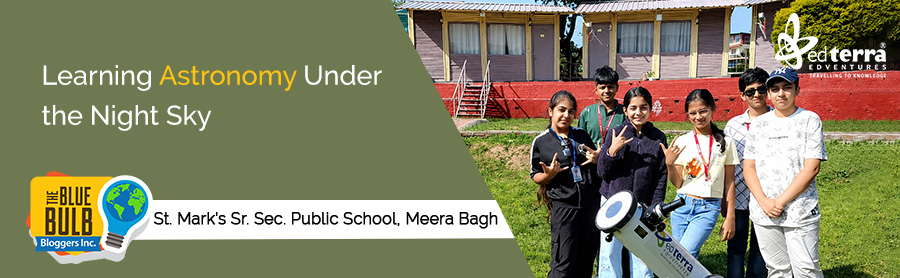
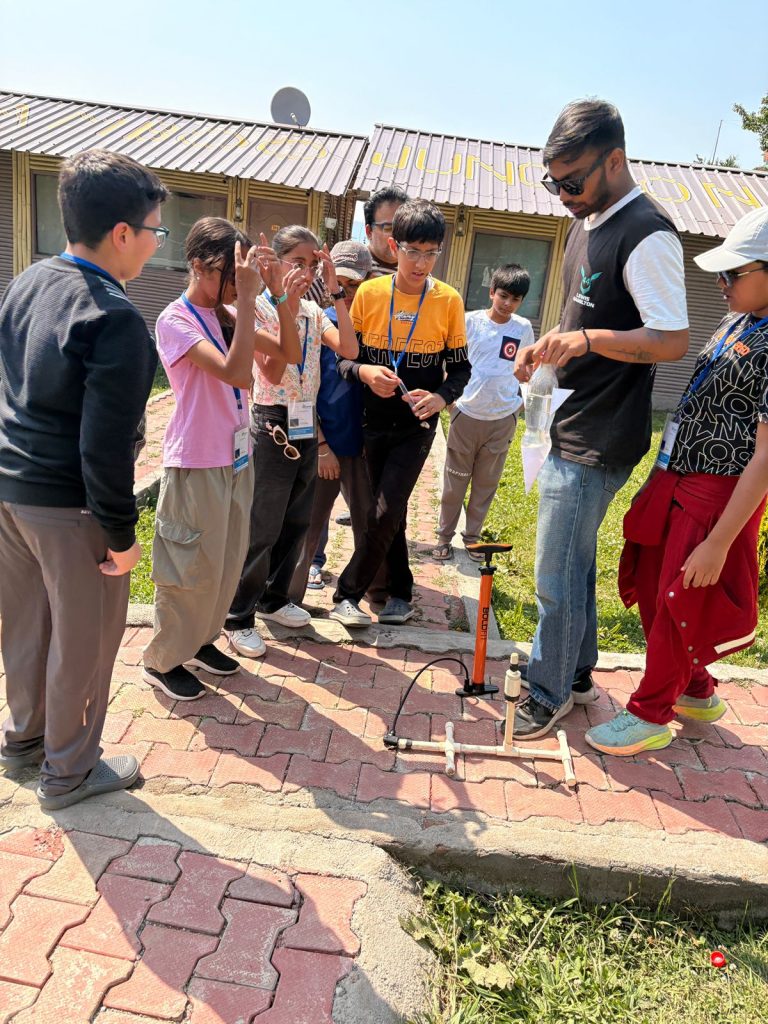
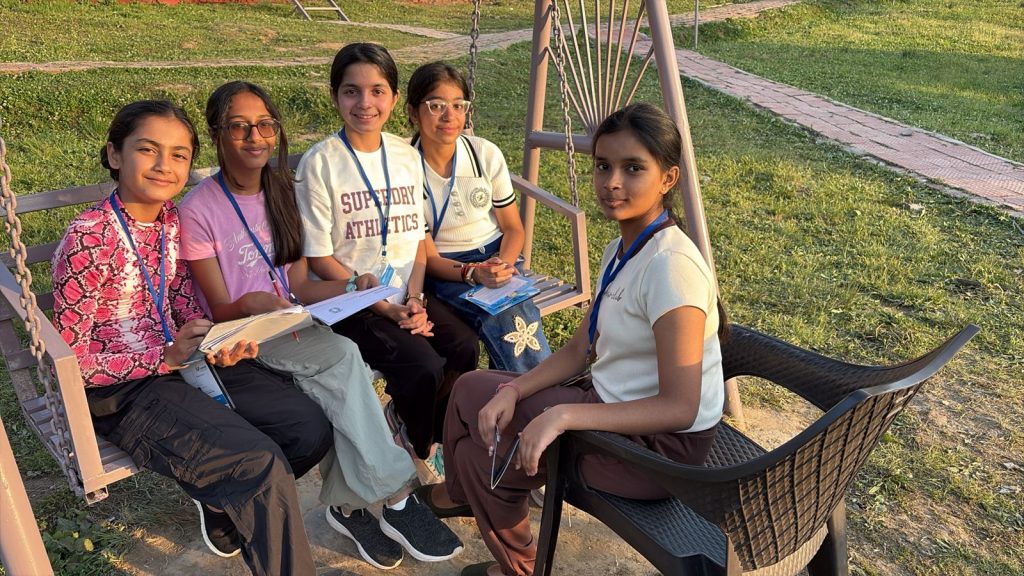
On our journey to Kanatal, we explored astronomy in a fun and practical way. Each activity helped us understand something new about the sky above us, from observing the Sun and planets like Venus, Jupiter, and Mars to learning how rockets work.
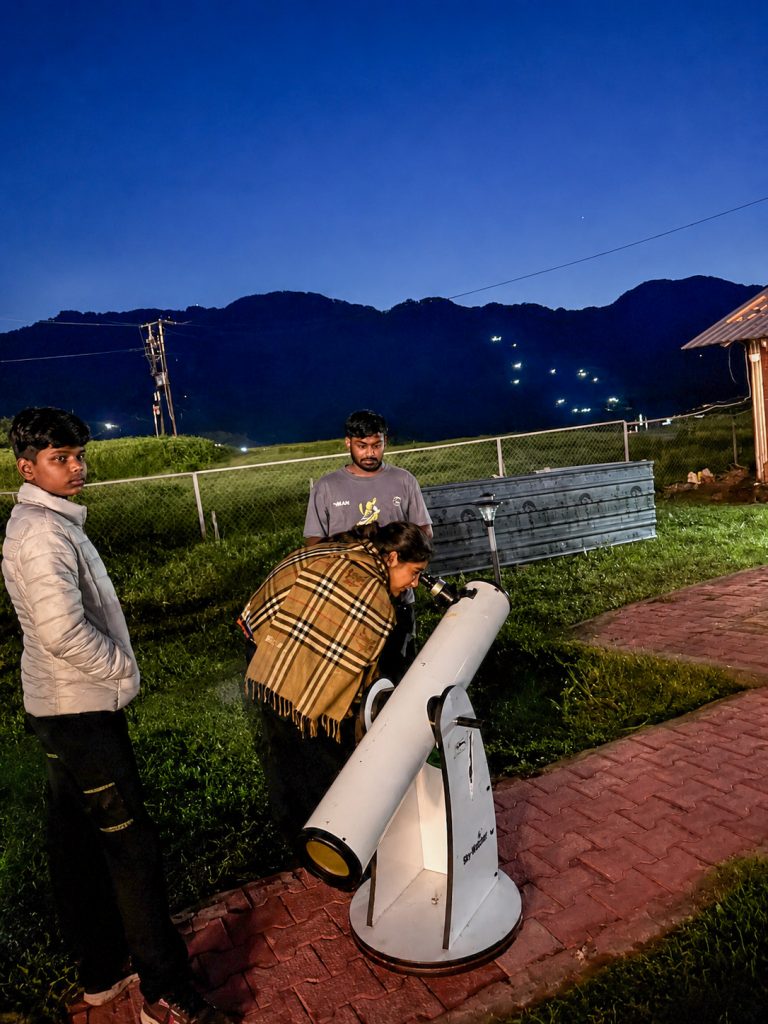
We learnt that the Sun is about 4.6 billion years old and makes up almost 99.8% of the mass of our solar system. Light from the Sun takes about eight minutes to reach Earth. The Sun’s gravity keeps the planets in orbit around it. Our instructor also taught us about sunspots. These are cooler, darker areas on the Sun’s surface caused by strong magnetic activity. We observed sunspots through a telescope, which made the learning more exciting.
For queries call +91-11-48885800 or visit EdTerra Browse Journeys page to know more about the programs for school students. Visit our FB page by clicking HERE. Also, check our podcast page by clicking HERE.
With its inspiring scenery,...
Yelagiri is a wonderful...
Mysore Palace, a magnificent...
Kodaikanal, one of the...
There is something magical...
Uttarakhand welcomed us with...
In Japan, we experienced...
What if a single...
On our journey to...
Our educational trip to...

See What Our Edventurers Experience!