
Posted on Nov 16, 2026 in Student Speak
1 Comment
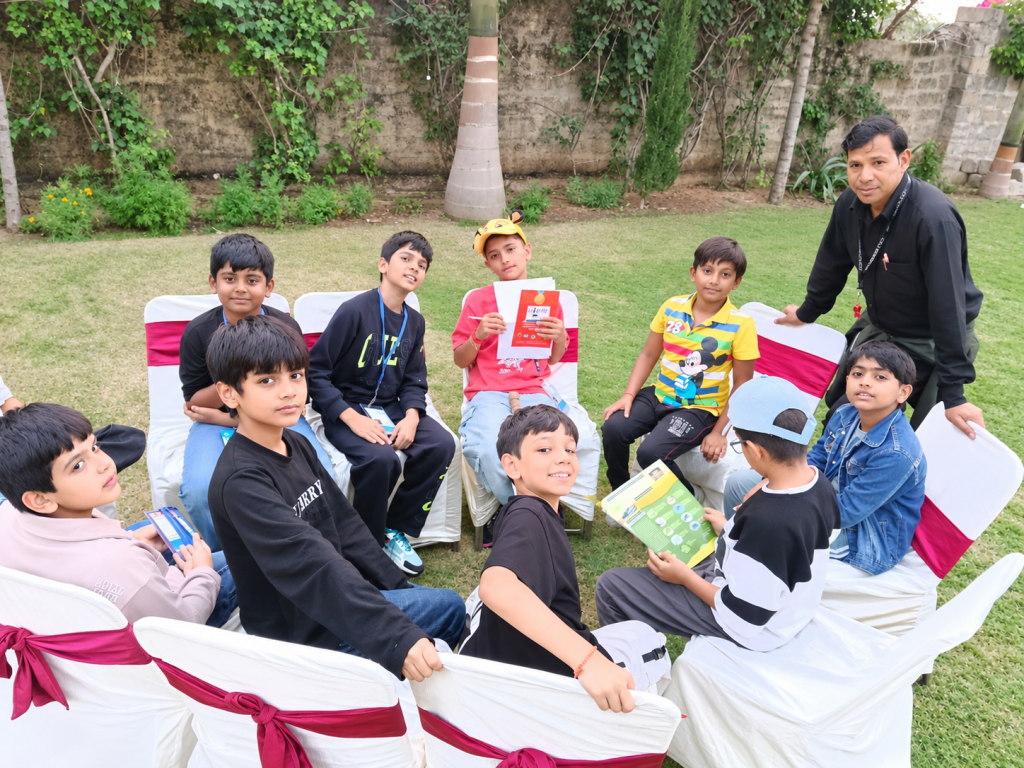
Travel is not just about visiting new places; it is about discovering, learning, connecting, and making a difference. It is an opportunity to understand the importance of biodiversity and local communities, and to develop environmental responsibility.
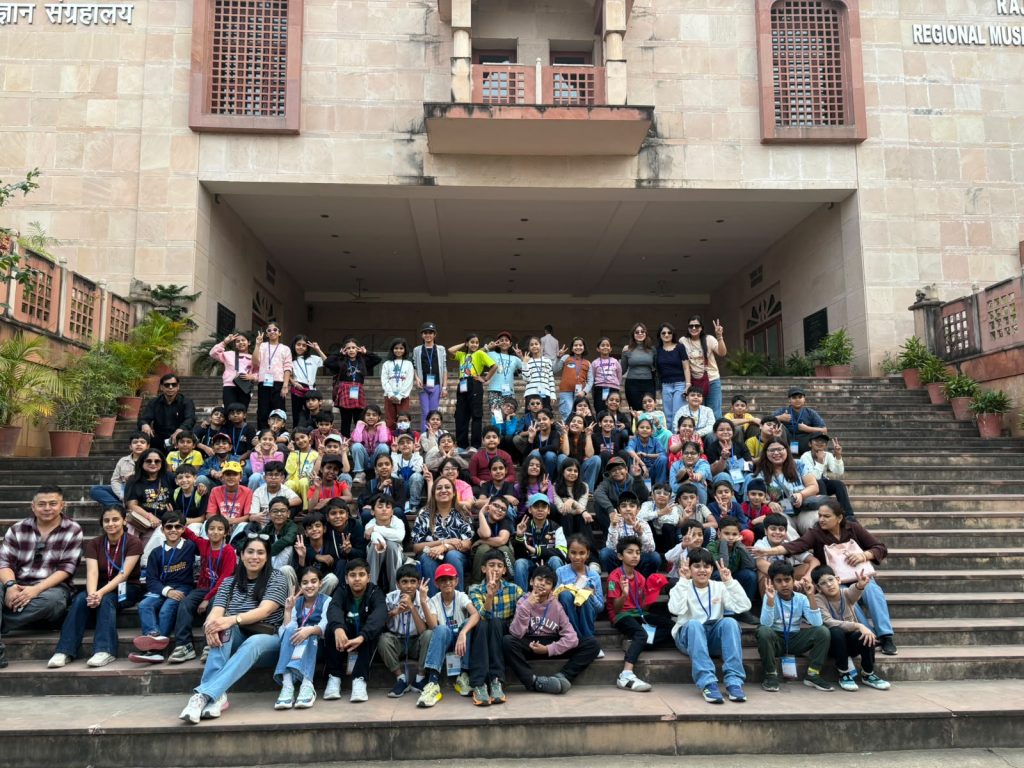
Our recent journey to Rajasthan took us to Ranthambore National Park. The park gets its name from the massive 10th-century Ranthambore Fort. Today, Ranthambore is known for its royal Bengal tigers, the Aravalli hills, and dense green forests. In 1973, it became one of India’s very first protected tiger reserves to save the majestic Bengal tiger from disappearing. Did you know that the National Tiger Conservation Authority (NTCA) reported the tiger population in Ranthambore as 74 in 2019, which grew to 80 in 2025?
We came to know about a touching story from the park. A serious concern arose at Ranthambore in 2011 when a mother of two three- to four-month-old female cubs died of a digestive ailment. In a rare event, Zalim, a fierce male tiger, stepped in to raise the cubs. Most male tigers either ignore or attack cubs that are not their own, making Zalim’s gentle behaviour extraordinary.
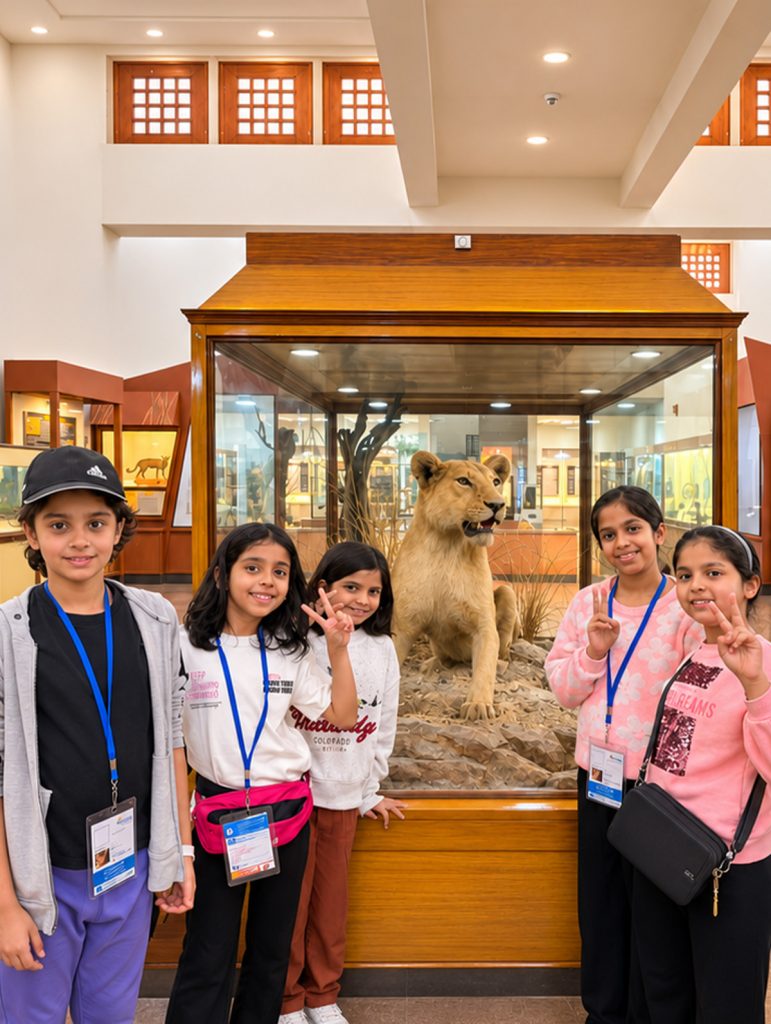
We also visited the Rajiv Gandhi Museum of Natural History, where we had a great time looking at statues of many animals. We also learnt the scientific names of several wild creatures, including the lion (Panthera leo), snow leopard (Panthera uncia), tiger (Panthera tigris), spotted deer (Axis axis), and leopard cat (Prionailurus bengalensis).
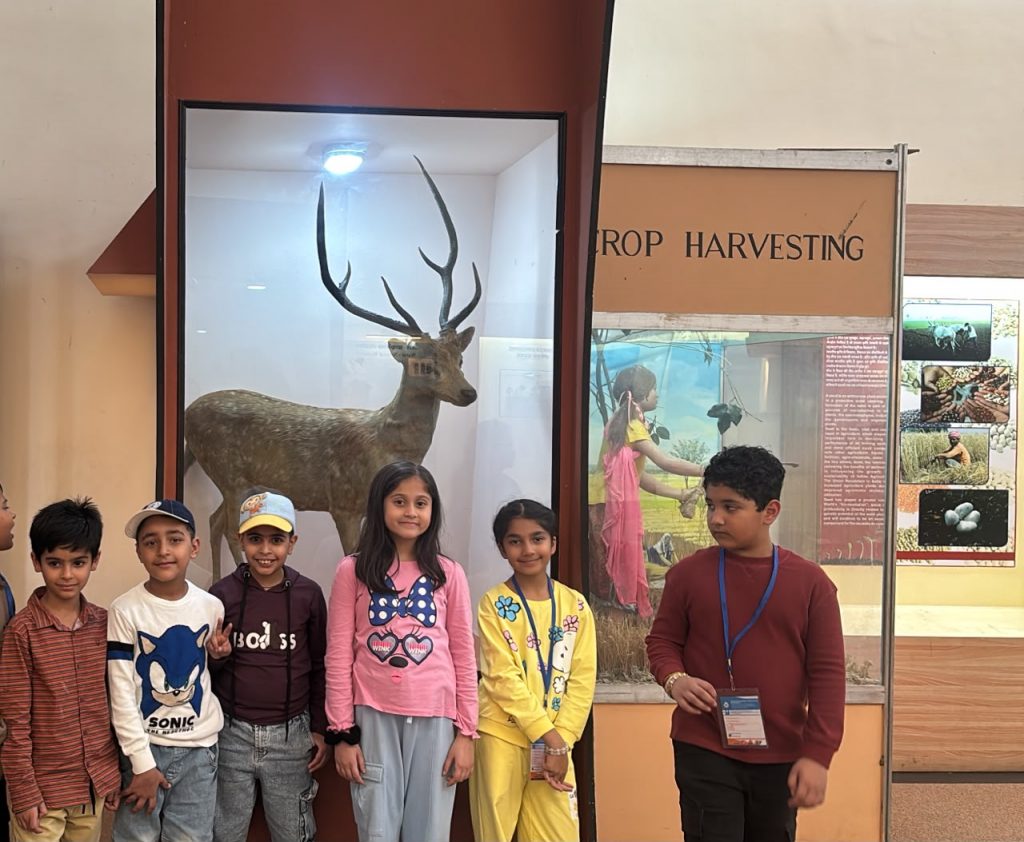
Through this journey, we learnt to truly appreciate wildlife conservation efforts. One message we want to give to you all is to respect nature and its gifts to mankind.
For queries call +91-11-48885800 or visit EdTerra Browse Journeys page to know more about the programs for school students. Visit our FB page by clicking HERE. Also, check our podcast page by clicking HERE.
Travel is not just...
Perched high in the...
Our journey to Shimla...
Our journey to Mysore...
Our school team went...
In the modern world,...
Bibi Ka Maqbara is...
On 20th October 2026,...

Dharamshala is a town...
Imagine a 4-day trip...

See What Our Edventurers Experience!