
Posted on Nov 23, 2026 in India Discovery,Student Speak
1 Comment
Welcome to the great Ranthambore, where we had infinite opportunities to learn and explore! During our visit to Ranthambore National Park, we came to know about various species of flora and fauna and its rugged regional landscape. We were thrilled to learn that Ranthambore’s biodiversity includes more than 40 species of mammals, around 320 species of birds, over 300 species of plants, around 35–40 species of reptiles and a few species of amphibians.
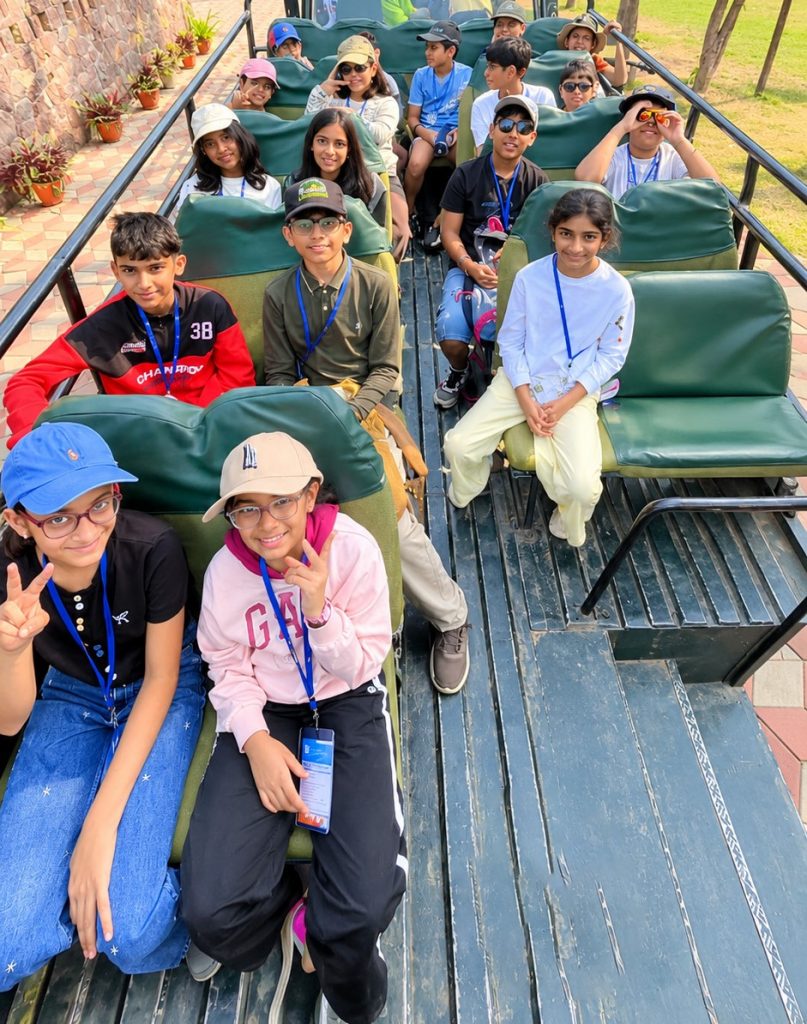
Some of these animals are rare and endangered, such as the caracal (siyagosh), honey badger, rusty-spotted cat, and many more, while others are common. Regardless of their rarity, each of them serves a vital purpose in the park’s ecosystem. At Ranthambore, both prey and predators exist together as part of nature’s cycle of life and death.
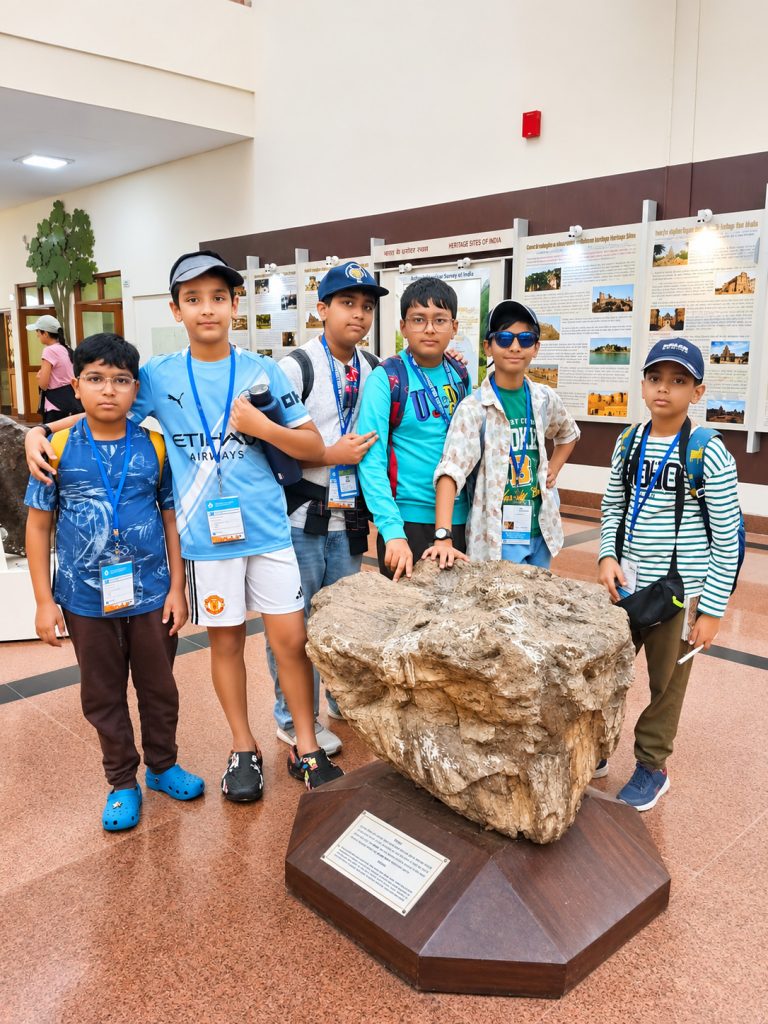
The flora of Ranthambore is just as diverse. We saw multiple types and sizes of trees in the forest, like the ancient banyan trees. The area is dominated by dry deciduous vegetation such as the Dhok tree, covering over 75% to 80% of the reserve.

Ranthambore is an exciting spot with attractions like the jungle safari, an open-air amphitheatre, the Rajiv Gandhi Regional Museum of Natural History, and sightseeing around the ruins of the grand Ranthambore Fort. This place has many comfortable stays, while the wide range of activities keeps both adults and youngsters occupied. We invite you to experience this amazing adventure, and we too would love to visit again.
For queries call +91-11-48885800 or visit EdTerra Browse Journeys page to know more about the programs for school students. Visit our FB page by clicking HERE. Also, check our podcast page by clicking HERE.

Dausa is a historic...

Our journey to Amber...

Welcome to the great...

Amber Fort, also known...

Travel is not just...

Perched high in the...

Our journey to Shimla...

Our journey to Mysore...

Our school team went...

In the modern world,...

See What Our Edventurers Experience!